
Why Are Wasps Coming Into My House?
If you’ve suddenly noticed wasps inside your home, it can be worrying – especially if you’re not sure where they’re coming from.
In most cases, there’s a clear reason why wasps are finding their way indoors. The key is understanding what’s attracting them and whether there could be a nest nearby.
Common Reasons Wasps Come Into Your House
Wasps don’t usually enter homes randomly. There’s normally something drawing them in.
Food And Sweet Smells
Wasps are attracted to sugary foods and drinks. Things like fruit, fizzy drinks, and even pet food can bring them inside.
Open windows in kitchens are one of the most common entry points.
Warmth And Shelter
If the weather turns cooler, wasps may look for warm, sheltered places.
Lofts, wall cavities, and roof spaces are ideal spots – and sometimes they find their way into living areas from there.
A Nest Nearby
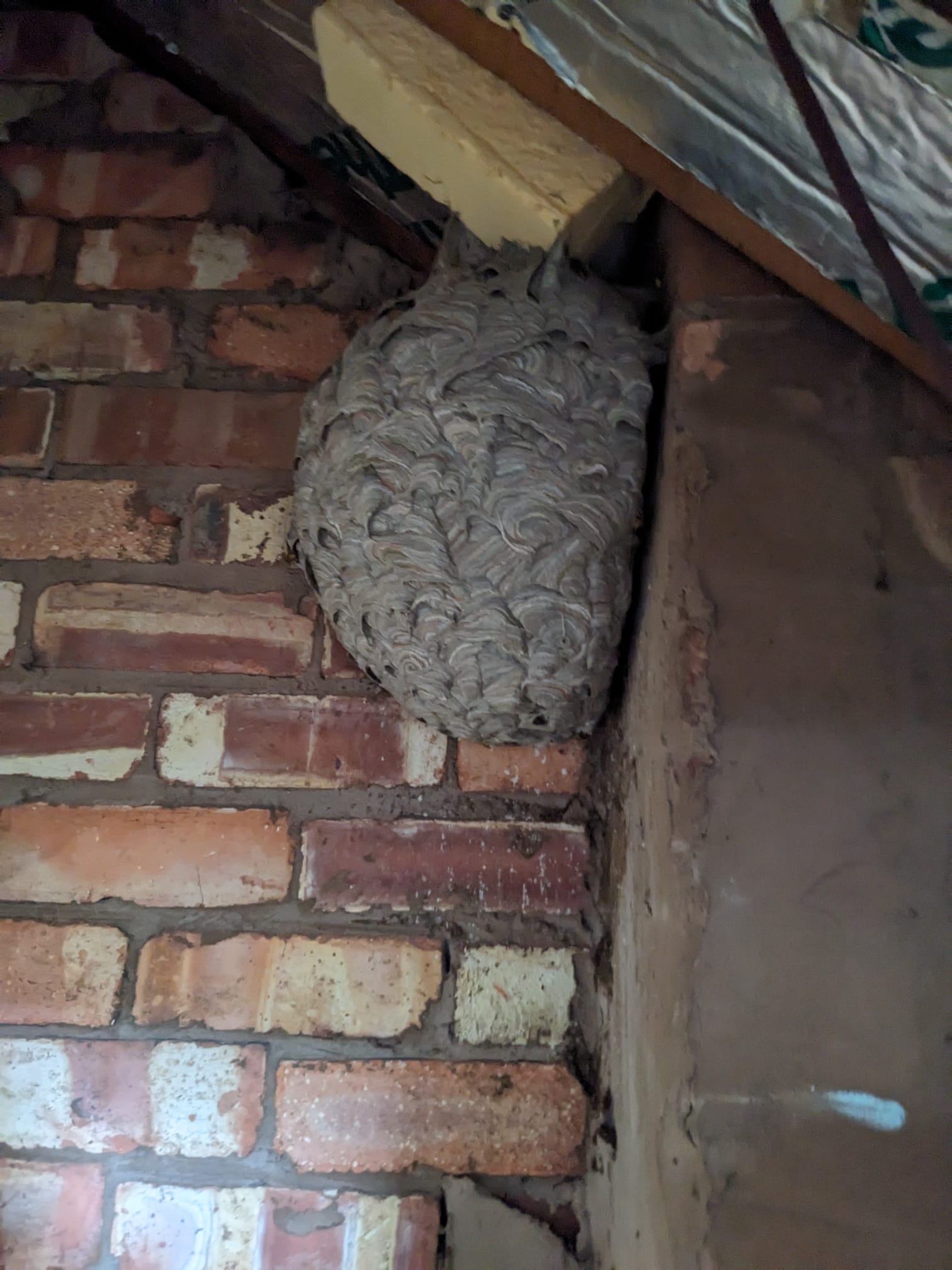
If you’re seeing wasps regularly indoors, there’s a strong chance a nest is close by.
This could be in your loft, under roof tiles, inside a wall, or even in a nearby garden structure.
How Are Wasps Getting Into Your House?
Wasps can enter through surprisingly small gaps.
Common entry points include:
- Open windows and doors
- Gaps in window frames or vents
- Air bricks
- Gaps around pipes or wiring
- Damaged roof tiles or soffits
If there’s a nest in your loft or walls, they may also come through ceiling light fittings or small cracks.
Why You Might See Wasps But No Nest
It’s quite common to see wasps indoors without being able to find a nest.
This usually means one of two things:
- The nest is hidden inside a wall or roof space
- The wasps are coming from a nearby property or garden
If numbers are increasing over time, it’s more likely there’s a nest somewhere on or very close to your home.
Wasp Nest Removal You Can Rely On
If you think there’s a nest in or around your home, it’s best to get it sorted quickly.
At Ian Smith Pest Control, I provide fast, discreet wasp nest removal across Lancashire and Greater Manchester.
I use an unmarked vehicle and aim to deal with the problem promptly, so you’re not left worrying about wasps getting inside.
How To Stop Wasps Coming Into Your House
There are a few simple things you can do to reduce the chances of wasps getting inside:
- Keep windows and doors closed where possible, especially in kitchens
- Don’t leave sugary food or drinks out
- Use fly screens on windows
- Seal any visible gaps around windows, doors, or vents
These steps can help, but they won’t solve the problem if there’s an active nest nearby.
When To Call A Professional
If you’re seeing wasps inside your home regularly, it’s best not to ignore it.
A nest can grow quickly, especially during the warmer months, and the longer it’s left, the more difficult it becomes to deal with.
Trying to remove a nest yourself can also be dangerous, particularly if it’s in a confined space like a loft or wall cavity.
You can learn more about the cost and what’s involved here:
How much does wasp nest removal cost in the UK?
Wasp Nest Removal Across Lancashire & Greater Manchester
Ian Smith Pest Control provides professional wasp nest removal across Bolton, Wigan, Chorley, Preston and surrounding areas.
If you’re unsure whether a nest is active or need help dealing with a wasp problem, it’s always best to have the situation checked by an experienced pest controller.
Call 07821 318954 for advice or to arrange wasp nest removal.