
Finding a wasp nest
Finding a wasp nest around your home can be worrying. But what happens if the nest appears to be inactive? Many people discover an old or dead wasp nest in their loft, shed, garden or roof space and wonder if it needs to be removed.
In most cases, a dead wasp nest is no longer dangerous. However, it’s still important to understand how wasp nests work and when it might be best to have the nest removed.
What to do if your unsure?
If you’re unsure whether a nest is active or not, a professional pest controller can inspect the nest and advise on the safest course of action.
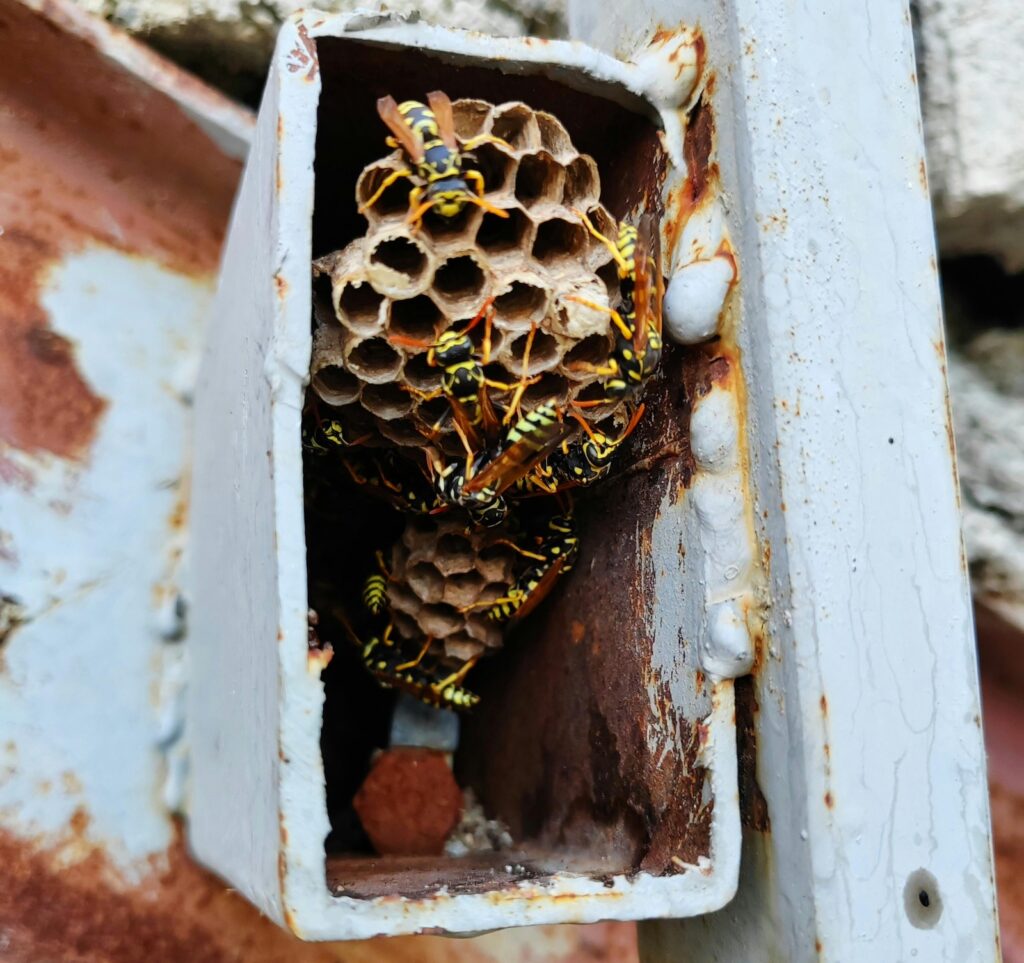
How To Tell If A Wasp Nest Is Still Active
If you discover a nest around your property, it’s important to confirm whether it is active.
Signs that a nest may still be active include:

Wasps flying in and out of the same hole
A steady flow entering roof or wall space

Buzzing sounds from walls, ceilings or lofts
If you notice this type of activity, the nest should not be disturbed. Wasps can become highly aggressive when their nest is threatened.
What To Do If You Find A Wasp Nest
If you find a wasp nest around your home or business, avoid attempting to remove it yourself.
Wasps will defend their nest aggressively and can sting multiple times if disturbed. Professional pest controllers use specialist equipment, protective clothing and approved treatments designed specifically for wasp nests.
If the nest is still active, professional wasp nest removal is the safest option.
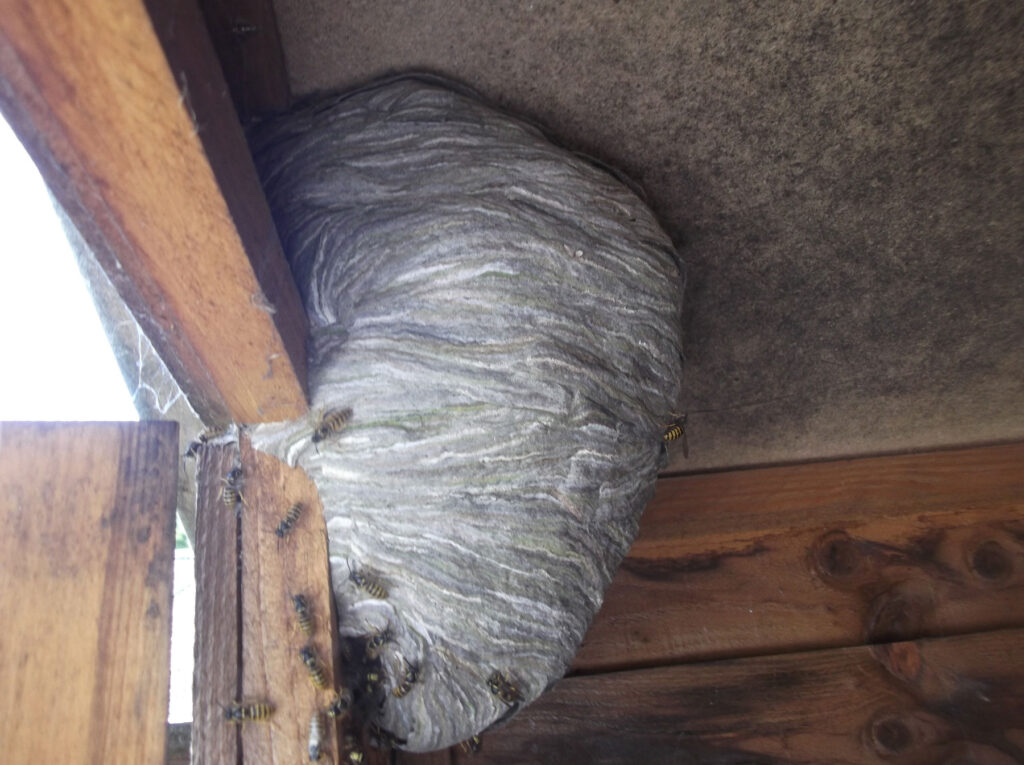
Wasp Nest Removal Across Lancashire & Greater Manchester
Ian Smith Pest Control provides professional wasp nest removal across Bolton, Wigan, Chorley, Preston and surrounding areas.
If you’re unsure whether a nest is active or need help dealing with a wasp problem, it’s always best to have the situation checked by an experienced pest controller.
Call 07821 318954 for advice or to arrange wasp nest removal.